Latex is a natural material renowned for its immediate comfort, resilience, and durability, making it a popular choice for mattresses, pillows, and bedding. It is harvested from rubber trees and processed into latex foam or solid blocks, offering consistent support and a responsive feel. Understanding latex types—Talalay versus Dunlop—helps explain variations in feel and firmness across bedding products.
In mattress technology, latex contributes to pressure relief and conformity while maintaining airflow to regulate temperature. Its open-cell structure and breathable covers promote a cooler sleep surface, which can reduce heat retention. Latex also tends to resist sagging, supporting spinal alignment over long-term use for a stable, healthy sleep posture.
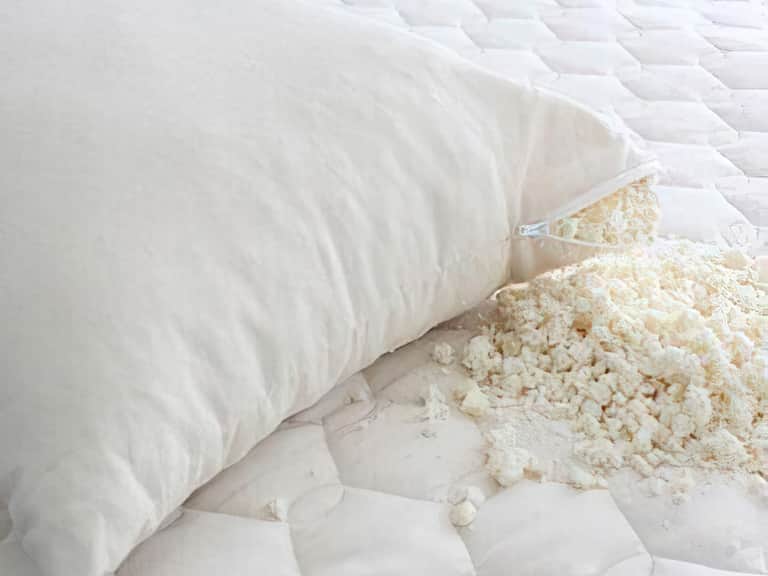
When selecting latex products, consider firmness levels, density, and layering options. A well-chosen latex pillow, like the Savvy Rest Shredded Latex Pillow, can combine customizable loft with durable support, allowing sleepers to tune the pillow to their preferred height and firmness. The shredded composition enhances loft adjustability and contouring without sacrificing support.
Bedding components such as sheets and pillow protectors complement latex sleep systems by managing moisture, reducing allergen exposure, and preserving cushion integrity. Organic mattress choices pair well with natural materials to minimize chemical exposure, while organic crib mattresses emphasize safe, non-toxic sleep environments for infants and young children.
Key features to note include antimicrobial properties, resilience, and ease of maintenance. Latex products typically resist dust mites and have long lifespans with proper care. For pillows, shredded latex variants offer versatile shaping, while solid latex provides uniform support. This combination of materials supports informed decisions about comfortable, durable bedding solutions.
 Bedding