Understanding Latex in Mattresses: Types, Benefits, and Longevity
A clear, non-promotional guide to latex mattress materials, including Dunlop vs Talalay, and how firmness, support, and durability impact sleep comfort. Learn how to interpret ILD ratings, bounce, and temperature regulation when comparing options from trusted brands.
Published September 30, 2026
Latex has long been celebrated in the world of mattresses for its unique blend of buoyant support and breathable comfort. Unlike some synthetic foams that can trap heat or feel overly soft, latex offers a responsive surface that many sleepers describe as supportive yet springy. The material’s performance is largely shaped by its production process—Dunlop or Talalay—and by its density and structural features. In this guide, we examine what latex is, how each manufacturing method influences feel and durability, and what that means for your nightly rest.
What is latex in a mattress?
Latex is a natural material derived from the sap of rubber trees. In mattresses, it is produced in sheets or blocks and used as the comfort layer or core. Latex can be formulated as:
- Natural latex: sourced from rubber tree sap, marketed as a renewable material with minimal synthetic content.
- Synthetic latex: produced from petrochemical compounds, often blended with natural latex to alter feel and cost.
- Blended latex: a mix of natural and synthetic latex to balance performance and price.
Within the latex family, two primary production philosophies determine the texture and performance: Dunlop and Talalay. Each method yields a distinct profile of bounce, contour, and durability that affects how a mattress responds to your weight, movement, and sleeping position.
Dunlop vs. Talalay: how the processes shape the feel
The Dunlop process fills a mold with latex in a single pour, then vulcanizes and cures the material, yielding a denser, more supportive core with a uniform feel. This method often results in a slightly firmer and more resilient surface, with a tendency toward consistent support across the layer. For some sleepers, Dunlop latex offers a robust base that remains buoyant yet stable, which can be especially beneficial for stomach sleepers or heavier individuals seeking dependable spinal alignment.
The Talalay process is more intricate. Latex is whipped, deaerated, poured into a mold, vacuum sealed, and then flash frozen before curing. This creates a more uniform cell structure, typically producing a lighter, more breathable, and sometimes bouncier feel. Talalay latex is frequently associated with a plush-to-medium feel that contours more distinctly to body curves, which many back and side sleepers appreciate when seeking pressure relief without sacrificing support.
Both processes can be used with natural, synthetic, or blended latex, and the final feel is also influenced by foam density and the finished thickness of the latex layer. The choice between Dunlop and Talalay is not simply about softness or firmness; it is about the waking and sleeping experience you prefer—how you sink in, how much contour you feel under pressure points, and how the surface responds to movement through the night.
Understanding firmness, contour, and bounce
Firmness in latex mattresses is not a single number. It emerges from the combination of latex type (Dunlop or Talalay), the density of the latex layer, and whether the layer is part of a multi-layer konstruktion that includes other foams or springs. In practical terms:
- Contour and pressure relief: Latex’s natural elasticity allows it to cradle joints and distribute weight evenly, reducing localized pressure. A taller, more contoured latex layer (common with Talalay) can feel more forgiving around hips and shoulders for side sleepers.
- Bounce and response: Latex responds quickly to movement, returning to its original shape with minimal delay. Dunlop tends to feel denser and may offer a steadier response for those who prefer less sink-in.
- Edge support: A well-constructed latex core or a latex layer with a supportive perimeter helps prevent roll-off and maintains surface integrity near the bed’s edge, a practical consideration for couples and corner sleepers.
Together, these characteristics influence how you experience sleep temperature, alignment, and motion transfer. Latex’s breathability—especially in Talalay formulations with more uniform air cell structures—contributes to a cooler sleep environment, while the density of the foam can modulate how quickly you respond when shifting positions during the night.
ILD, density, and the science of feel
For latex, a few technical terms help translate marketing claims into real-world expectations:
- ILD (Indentation Load Deflection): The stiffness rating used to describe how much force is required to indent the foam by a certain amount. In latex, ILD helps indicate firmness. Higher ILD generally means a firmer feel; lower ILD implies more plushness. When evaluating latex, check the ILD range for the layer and how it combines with other layers in the mattress.
- Density: Measured as pounds per cubic foot (PCF) or kilograms per cubic meter (kg/m³). Higher density latex tends to be more durable and resistant to sagging, though it can feel firmer and heavier. Lighter-density latex may offer more bounce and a softer initial feel.
- Layering and zoning: Some mattresses use multiple latex layers with varying firmness profiles to create zones that support different parts of the body. This approach aims to enhance spinal alignment while preserving pressure relief at shoulders and hips.
When comparing options, pay attention to the exact composition of the latex layer(s) as listed by reputable brands. A mattress may combine a Dunlop core with a Talalay comfort layer, or vice versa, creating a mixed feel that balances support with softness. Reading the specifications and, where possible, testing in-store or via generous trial periods can help you understand how ILD and density translate to your sleep warmth and comfort.
Care, longevity, and durability of latex mattresses
Latex is celebrated for resilience. With proper care, latex mattresses can maintain their feel for years, resisting the sagging that characterizes some foam alternatives. Key elements of longevity include:
- Pillow-top or comfort layer construction that keeps latex from compressing unevenly and forming indentations.
- Appropriate support from a compatible foundation or bed frame to prevent premature sagging of the latex core.
- Cleanliness and allergen control, particularly for natural latex, which some sleepers associate with more breathable, hypoallergenic properties.
Care guidelines typically emphasize rotating the mattress (if the design permits) and using a breathable, protective cover to minimize exposure to moisture and body oils. Since latex can be resistant to crumbling and degradation, keeping a steady sleep environment—cooler temperatures and moderate humidity—helps preserve both resilience and surface feel over time.
Brand landscape: Savvy Rest, Naturepedic, and related options
In the latex segment, certain brands have become synonymous with durable, well-engineered products. Savvy Rest, for example, has built a reputation around latex-based systems that emphasize organic materials and customizable firmness. Naturepedic, another notable name in the space, often highlights natural components and organic certifications in its latex offerings. While the specifics of each brand’s construction can vary, the underlying principles remain consistent: responsive latex layers that balance contour with support, paired with durable perimeters and breathable covers.
For readers navigating the market, the prudent approach is to examine:
- The type of latex used (Dunlop vs. Talalay) and whether it is natural, synthetic, or blended.
- The arrangement of layers and how they align with your sleeping posture.
- Certifications and materials sourcing, particularly for those prioritizing organic or eco-friendly options.
These considerations help translate marketing claims into a meaningful sense of how a mattress will perform over the long term, aligning with the central mission of Mattress Minder: to educate, demystify, and empower informed decisions about sleep surfaces without pressuring purchases.
Practical guides: testing firmness and choosing a latex mattress
To make sense of a latex mattress in a real-world context, consider a structured testing approach. If you can visit a showroom, use the following steps:
- Lie on your back, side, and stomach to feel how the surface supports different regions of your spine. For back sleepers, aim for a surface that allows your spine to stay in a neutral line from neck to pelvis. For side sleepers, check for even pressure relief at shoulders and hips without excessive sink-in.
- Test multiple ILD levels within the same mattress to understand the transition between soft and firmer sections. In layered configurations, feel where the surface begins to compress and how quickly it rebounds as you shift positions.
- Evaluate motion isolation and temperature regulation by moving on the surface and noting any heat build-up or perceived warmth during the test period.
If you are shopping online, rely on detailed product descriptions, trial periods, and transparent return policies. Look for products that clearly disclose latex type, density, ILD ranges, and layering architecture. Transparent documentation builds confidence that you are selecting a surface aligned with your sleep goals rather than chasing a marketing promise.
Care and maintenance of latex mattresses
Latex mattresses, especially those with natural compositions, benefit from simple, routine care. Consider these practices:
- Use a breathable, moisture-wicking protector to increase longevity and reduce allergen exposure without sacrificing surface feel. This aligns with a non-promotional, educational stance that emphasizes care over sales.
- Avoid exposure to direct sunlight for extended periods, which can degrade some latex blends over time, though high-quality latex often resists UV damage better than some foams.
- Follow the manufacturer’s guidance for rotation schedules, weight limits, and support system recommendations to maintain uniform wear.
Maintenance is about preserving the integrity of the latex core and the comfort layers that sit above it. A well-cared-for latex mattress can offer predictable performance and a longer lifespan, reinforcing the durability narrative that many sleep enthusiasts value in a mattress material.
Conclusion: latex as a durable, breathable sleep option
Latex remains a compelling option for sleepers seeking a balance of buoyant support, contour, and temperature regulation. The key lies in understanding the differences between Dunlop and Talalay production methods, as well as the role of density and layering in shaping firmness, bounce, and durability. When interpreted through the lens of ILD ratings and real-world testing, latex can reveal its true value as a long-term investment in sleep quality.
As Mattress Minder, the aim is to empower readers with precise, jargon-light guidance that helps translate technical specifications into a comfortable, informed choice. Whether you prioritize a plush feel with responsive bounce or a firmer, more stable surface for spinal alignment, latex offers a spectrum of options that can accommodate diverse sleeping styles. The journey toward a better night’s rest begins with understanding the material beneath you—and latex, for many, is a reliable starting point.
Product spotlight (relevant to the topic)
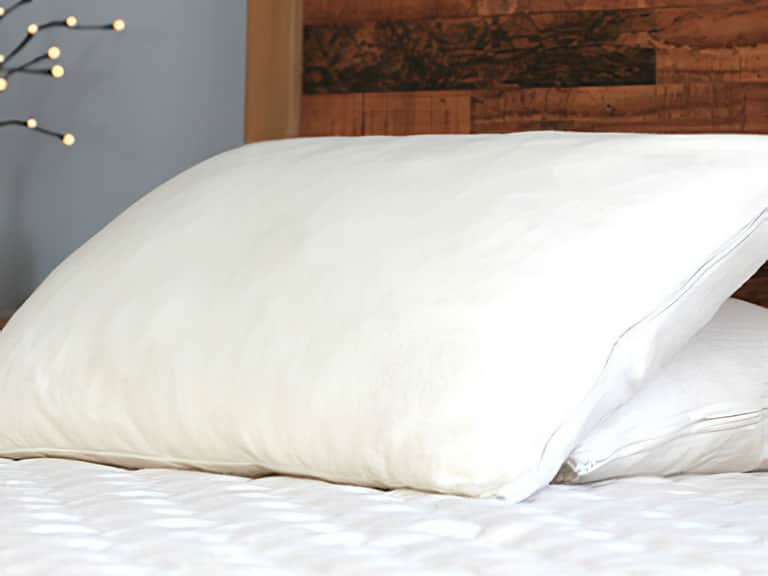
Among the products that align with latex-informed decision making, one exemplary option to consider is the Savvy Rest Organic Kapok Pillow. While not a latex mattress, it exemplifies the mindful, natural-material approach that often accompanies high-quality latex systems. The Kapok Pillow features completely organic materials and an adjustable fill, reflecting the broader ethos of thoughtful, materials-driven sleep solutions that Mattress Minder seeks to highlight. You can explore its details here: Savvy Rest Organic Kapok Pillow.
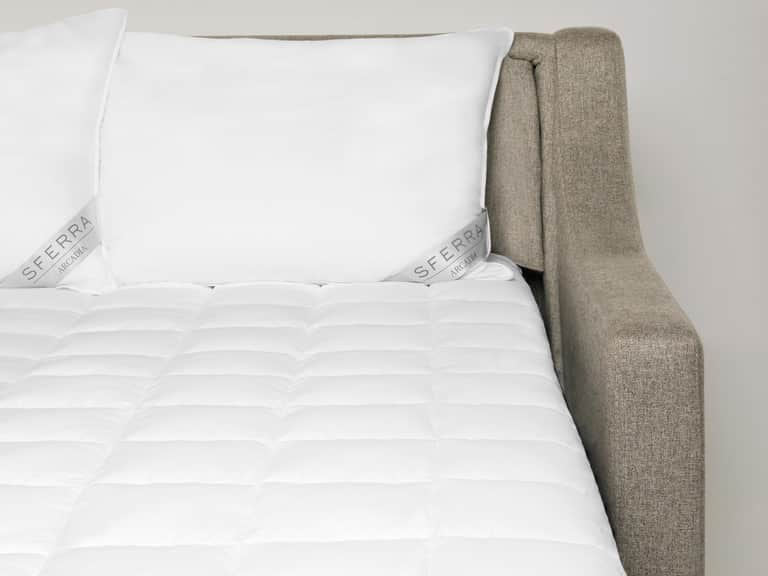
Another relevant item is the Arcadia Comfort Sleeper Mattress Pad, which demonstrates how high-loft, cushiony layers can complement a latex-based sleep surface by adding controlled softness and even distribution of weight. While the Arcadia Pad is designed as a sleeper-mattress pad, its construction—pluma-fil down alternative and a boxed construction—offers a tangible reference point for how layering can influence overall feel in a latex-influenced system. See: Arcadia Comfort Sleeper Mattress Pad.