Foam mattresses comprise a range of layered foams that provide varying levels of contouring, support, and pressure relief. These beds typically use memory foam or polyfoam to conform to body shape, helping to relieve points of pressure while maintaining stable spinal alignment. Understanding foam densities and firmness levels is key to selecting a model that matches sleep position and body weight.
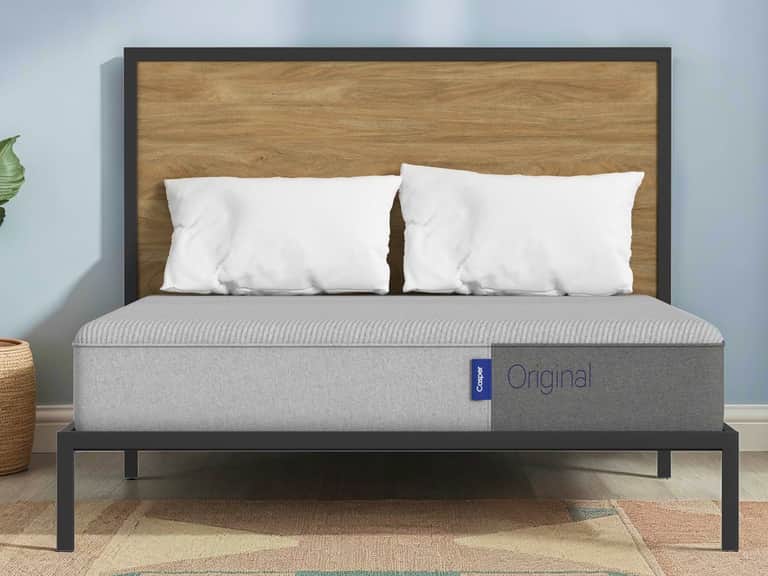
Among common options, the Original Mattress offers a balanced combination of conforming comfort and support, with an emphasis on evenly distributed pressure relief and motion isolation. This type of foam construction can suit back sleepers and side sleepers seeking a mid-range firmness that adapts to changing sleeping needs throughout the night.
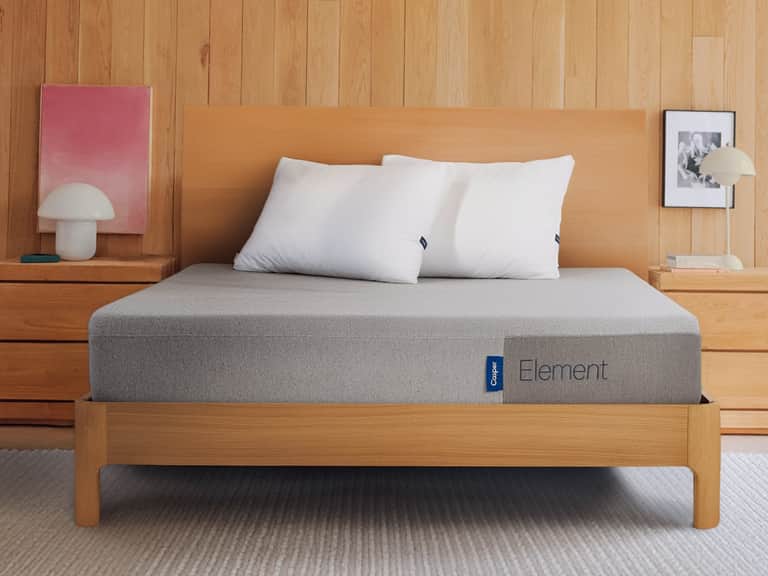
The Element Mattress demonstrates how advanced foam layers can enhance cooling and responsiveness. Through a strategic layer stack, this model aims to reduce heat buildup while maintaining durability and support. Elements such as transition foams and high-resilience cores contribute to overall durability and long-term comfort.
Key features to evaluate include density, ventilation, and off-gassing considerations. Higher density foams typically offer greater support and durability but may feel firmer initially, while breathable cover fabrics and open-cell constructions support temperature regulation. For organic or sensitive sleepers, understanding material composition matters for allergy and chemical exposure considerations.
In the context of bedding ecosystems, foam mattresses complement pillows, sheets, and other foundational textiles. Related categories like organic mattresses and organic crib mattresses illustrate how foam-based sleeping surfaces integrate with wellness-focused bedding choices, addressing comfort, stability, and sleep hygiene across varied environments.
 Mattresses